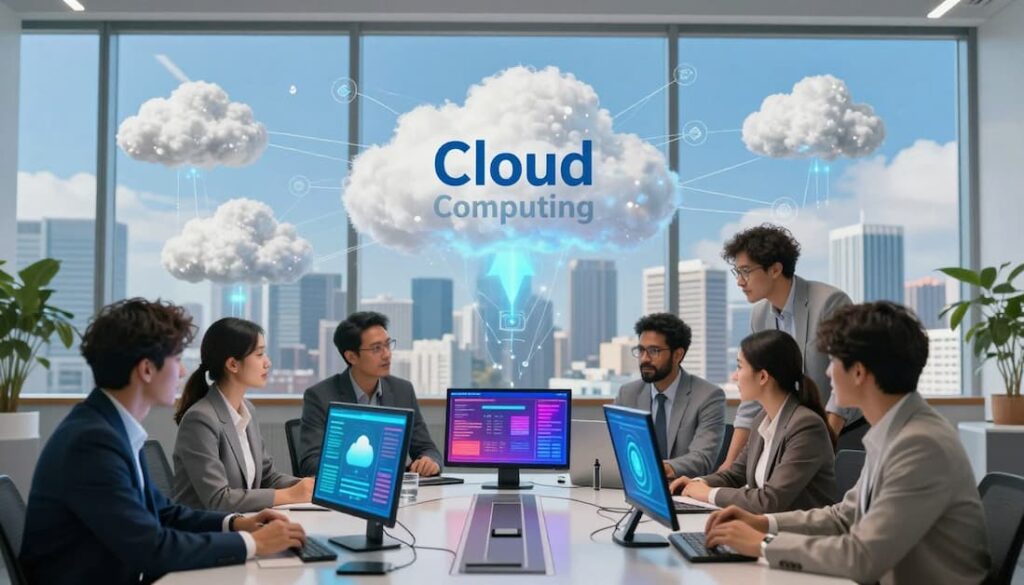

Cloud computing is no longer just a technical upgrade—it is the driving force behind modern business survival and innovation. Today, companies must adapt rapidly to shifting market demands, and traditional IT infrastructures simply cannot keep pace. By shifting operations to the cloud, organizations unlock unprecedented scalability, allowing them to expand seamlessly without massive upfront investments. As a cornerstone of digital transformation, cloud computing empowers companies to optimize operations, improve collaboration, and build resilient infrastructure. This shift delivers essential cost-efficiency while boosting business agility, allowing forward-thinking brands to innovate faster, respond to market shifts instantly, and outpace the competition.


Adopting this technology is no longer just an optional upgrade for tech-savvy firms. It has become a fundamental requirement for sustainable growth and long-term success. Utilizing Cloud Computing allows businesses to streamline workflows while reducing overhead costs significantly.
Key Takeaways
- Digital transformation is essential for staying competitive in modern markets.
- Agility allows companies to pivot quickly when industry trends change.
- Moving to virtual environments reduces the burden of physical hardware maintenance.
- Scalability ensures that your resources grow alongside your customer base.
- Modern infrastructure provides the security needed to protect sensitive data.
The Evolution of Modern Business Infrastructure
Modern enterprises are moving away from the clunky, physical hardware that once defined the office basement. For years, companies relied on rigid, on-premise systems that required constant maintenance and significant capital investment. Today, the focus has shifted toward flexible architectures that allow for rapid growth and innovation.
Moving Beyond On-Premise Servers
Relying on physical servers often created a bottleneck for growing businesses. When demand spiked, IT teams struggled to procure and install new hardware in time to meet customer needs. This traditional approach frequently led to technical debt and limited the speed at which a company could scale its operations.
Many organizations faced several common hurdles with legacy hardware:
- High upfront costs for equipment that depreciates quickly.
- Complex maintenance schedules that drain internal IT resources.
- Limited ability to adapt to sudden market changes or traffic surges.
By moving away from these constraints, businesses can finally prioritize agility over hardware management. Embracing Cloud Computing allows teams to focus on building better products rather than worrying about server uptime.
The Shift Toward Digital Transformation
Digital transformation is more than just a buzzword; it is a fundamental change in how businesses operate. By integrating Cloud Computing into their core strategy, organizations can modernize their entire IT footprint. This transition supports long-term sustainability and ensures that data remains accessible from anywhere in the world.
Modernizing your infrastructure is a critical step for any enterprise looking to stay competitive in the United States market. When you leverage the power of the cloud, you gain the ability to deploy new services in minutes rather than weeks. This seamless transition empowers employees to collaborate more effectively and drives innovation across every department.
Core Benefits of Cloud Computing for US Enterprises
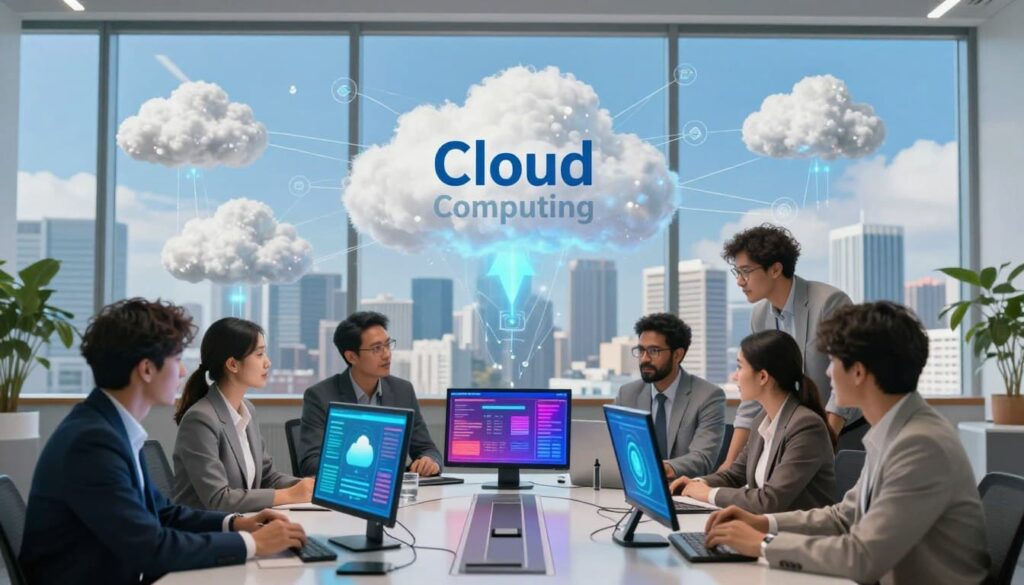
The shift toward Cloud Computing is fundamentally changing how companies in the United States operate and grow. By moving away from rigid, legacy systems, businesses can now access a level of performance that was previously reserved for tech giants. This transition allows organizations to focus on innovation rather than managing physical hardware.
Scalability and Operational Agility
In today’s fast-paced market, the ability to scale resources in real-time is a massive advantage. Cloud Computing provides the agility needed to handle sudden spikes in traffic without service interruptions. Whether a company is launching a new product or managing seasonal demand, the infrastructure adapts instantly to meet these needs.
“The cloud is not just about technology; it is about the agility to pivot and respond to market changes faster than your competition.”
Cost Efficiency and the Pay-as-You-Go Model
Financial flexibility is perhaps the most compelling reason for the widespread adoption of these services. The pay-as-you-go model ensures that companies only pay for the resources they actually consume. This approach eliminates the waste associated with over-provisioning hardware that sits idle during quiet periods.
Reducing Capital Expenditure
Many US firms are successfully shifting their financial strategy from heavy capital expenditures (CapEx) to more manageable operational costs (OpEx). By removing the need for large upfront investments in servers and data centers, businesses can preserve cash flow. This financial freedom allows leadership to reinvest capital into core business growth and talent acquisition.
Optimizing Resource Allocation
Effective resource management is essential for maintaining maximum efficiency. Cloud platforms provide detailed analytics that help teams identify underutilized assets and reallocate them where they are needed most. The following table highlights the transition from traditional models to modern cloud-based strategies.
| Feature | Traditional Infrastructure | Cloud Computing |
|---|---|---|
| Cost Structure | High Upfront CapEx | Flexible OpEx |
| Scalability | Manual and Slow | Automated and Instant |
| Maintenance | Internal IT Burden | Managed by Provider |
| Resource Usage | Fixed Capacity | Dynamic Allocation |
Enhancing Data Security and Compliance
As businesses adopt cloud computing, they must prioritize robust security frameworks to safeguard their data. Transitioning to a digital environment does not mean sacrificing control over your sensitive information. In fact, many modern providers offer security features that far exceed what most individual companies can maintain on their own.
Advanced Encryption and Threat Detection
The foundation of a secure cloud computing strategy lies in sophisticated encryption protocols. Data is typically encrypted both while it is being transmitted and while it sits at rest in storage. This ensures that even if unauthorized parties intercept the information, they cannot read it without the proper decryption keys.
Beyond encryption, providers utilize automated threat detection systems. These tools use artificial intelligence to monitor network traffic for suspicious patterns in real-time. By identifying potential risks before they escalate, these systems provide a proactive layer of defense that keeps your business operations running smoothly.
Meeting Regulatory Standards in the United States
Operating within the United States requires strict adherence to various federal and state regulations. Whether your company handles healthcare records or financial transactions, your infrastructure must comply with mandates like HIPAA, PCI-DSS, or SOC2. Leading service providers simplify this process by offering pre-configured environments that meet these rigorous requirements out of the box.
Data Sovereignty and Industry Compliance
Data sovereignty is a critical aspect of modern cloud computing that dictates where your information is physically stored. Many industries require that data remains within specific geographic borders to satisfy legal obligations. By choosing a provider with data centers located strategically across the United States, you ensure that your business remains fully compliant with local laws.
Maintaining compliance is an ongoing process rather than a one-time task. Continuous auditing and automated reporting tools help your team stay ahead of changing regulations. This allows your organization to focus on growth while resting easy knowing that your data protection strategy is both current and effective.
Practical Strategies for How to Use Cloud Storage Effectively
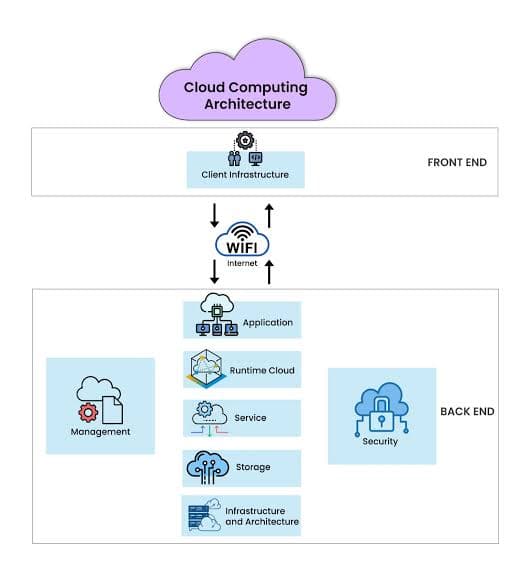
Mastering your digital workspace starts with understanding how to use cloud storage effectively. Many organizations find that scattered files lead to confusion and lost productivity. By adopting a structured approach, you can ensure that your team remains aligned and efficient regardless of their physical location.
Centralizing Data for Remote Collaboration
The primary advantage of cloud platforms is the ability to create a single source of truth. When you centralize your data, every team member accesses the same version of a document in real-time. This eliminates the frustration of tracking multiple email attachments or outdated file versions.
Effective collaboration relies on clear folder structures and consistent naming conventions. When everyone knows exactly where to find project assets, communication improves significantly. Learning how to use cloud storage to foster this environment is essential for modern, distributed teams.
Implementing Tiered Storage Solutions
Not all data requires the same level of accessibility. Implementing a tiered strategy helps you balance performance with budget constraints. By categorizing your files, you can optimize your infrastructure costs while maintaining high availability for critical tasks.
Hot Storage for Active Projects
Hot storage is designed for data that your team accesses on a daily basis. This tier provides low latency and high performance, ensuring that active projects move forward without technical delays. It is the ideal home for current drafts, shared spreadsheets, and collaborative design files.
Cold Storage for Long-Term Archiving
Cold storage serves as a secure vault for information that you rarely need but must keep for compliance or historical reasons. This approach is significantly more cost-effective than keeping everything in a high-performance tier. It allows your business to maintain long-term records without inflating your monthly operational expenses.
| Storage Tier | Primary Use Case | Access Speed | Cost Efficiency |
|---|---|---|---|
| Hot Storage | Active Workflows | Instant | Moderate |
| Warm Storage | Periodic Reviews | Fast | High |
| Cold Storage | Compliance Archiving | Delayed | Very High |
By mastering these methods, you gain full control over your digital assets. Understanding how to use cloud storage in this tiered manner ensures that your business remains both agile and fiscally responsible as it scales.
Overcoming Common Adoption Challenges
Transitioning to a modern cloud infrastructure often presents unique hurdles for growing businesses. While the benefits are clear, IT leaders must navigate complex technical landscapes to ensure success. Understanding how to use cloud storage effectively is the first step toward building a resilient and scalable digital foundation.
Managing Multi-Cloud Environments
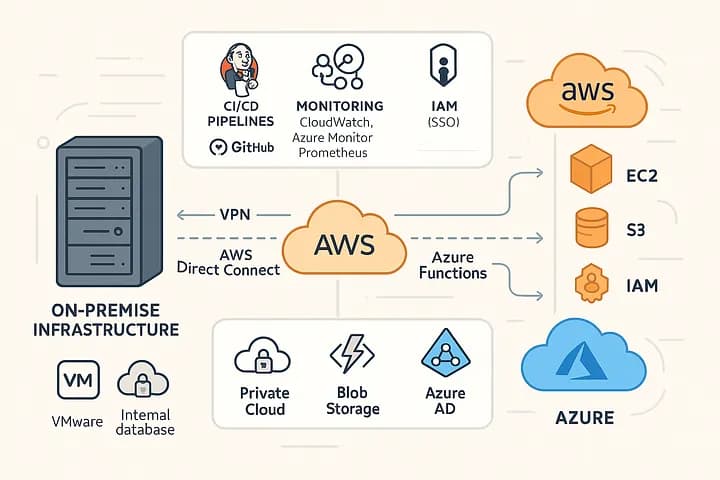
Many enterprises now rely on multiple cloud providers to avoid vendor lock-in and improve redundancy. However, this approach introduces significant management overhead that can overwhelm small IT teams. Consistency is vital when you are learning how to use cloud storage across different platforms like AWS, Azure, or Google Cloud.
To succeed, businesses should implement centralized management tools that provide a single pane of glass for monitoring. By standardizing security policies and data governance, you can reduce the risk of misconfiguration. Proactive monitoring ensures that your multi-cloud strategy remains agile without sacrificing performance.
Ensuring Seamless Integration with Legacy Systems
Bridging the gap between modern cloud services and aging on-premise hardware is a common pain point for many organizations. You must prioritize compatibility to prevent costly downtime during the migration process. A phased approach allows teams to test how to use cloud storage alongside existing databases before a full-scale rollout.
Using middleware or API-driven connectors can help bridge these disparate systems effectively. Minimizing disruption requires careful planning and clear communication between departments. When legacy systems communicate smoothly with the cloud, your business gains the flexibility needed to thrive in a competitive market.
Conclusion
Modern American enterprises thrive when they embrace the flexibility of digital transformation. Success depends on your ability to adapt to shifting market demands while keeping data secure and accessible.
Mastering how to use cloud storage remains a vital step for any growing organization. This practice allows teams to streamline workflows and maintain a competitive edge in a crowded marketplace.
You should evaluate your current infrastructure needs today to identify potential gaps. Learning how to use cloud storage effectively transforms your operational capacity and supports long-term growth goals.
Industry leaders like Amazon Web Services and Microsoft Azure provide the tools necessary to scale your vision. Start your transition now to ensure your business remains resilient and ready for the challenges of tomorrow.
FAQ
How does the pay-as-you-go model improve a company’s bottom line?
The traditional approach to IT required massive upfront capital expenditures for on-premise servers. With Cloud Computing, businesses transition to an operational cost model. This pay-as-you-go structure allows firms to optimize resource allocation, ensuring they only pay for the processing power and storage they actually use, which significantly reduces technical debt.
What is the difference between hot and cold storage?
This is a vital part of managing your data lifecycle efficiently. Hot storage is used for active projects that require frequent access and high performance. In contrast, cold storage—often utilized through services like AWS Glacier—is designed for long-term archiving of data that is rarely accessed. Implementing these tiered storage solutions helps businesses keep costs low while ensuring data remains available when needed.
What are the biggest challenges when integrating cloud services with legacy systems?
The primary adoption challenges usually involve ensuring seamless communication between older, on-site hardware and modern cloud architectures. Many IT leaders at companies like IBM and Oracle recommend a hybrid approach. This allows for a gradual transition, minimizing downtime and ensuring that critical business processes continue to run smoothly while you modernize your infrastructure.