

Managing money becomes much easier when you know where your income is going. If you regularly reach the end of the month wondering why your bank balance is lower than expected, a written plan can help. Learning how to create a monthly budget gives every rupee or dollar a job before you spend it.
This guide is designed for budgeting for beginners. You do not need advanced financial knowledge, an expensive app, or a complicated spreadsheet. You need your income, recent spending information, a few realistic goals, and a willingness to review the plan regularly.
By the end, you will know how to build a simple budget plan, organize a household budget, choose a monthly budget planner, handle irregular expenses, and adjust your spending without feeling deprived.

The Fundamentals: Why You Must Know How to Create a Monthly Budget
Before we dive into the mechanics of how to create a monthly budget, we need to understand the why. A budget is not a restriction; it is simply a plan for your money. When you learn how to create a monthly budget, you are giving every dollar a job.
Many people entering the world of budgeting for beginners feel that budgeting means they can no longer have fun. This is a myth. Understanding how to create a monthly budget actually grants you the permission to spend money guilt-free because you have already accounted for your savings and essential bills.
What Is a Monthly Budget?
A monthly budget is a plan that compares the money you expect to receive with the money you expect to spend, save, or use to repay debt during a month. Consumer.gov describes a budget as a written plan for deciding how money will be spent each month. It can also help you make sure you have enough money for bills and goals.
When you learn how to create a monthly budget, the goal is not to predict every expense perfectly. The goal is to make your financial decisions visible. Once you can see your income, fixed bills, flexible spending, savings, and debt payments in one place, you can decide what needs to change.
The Psychological Benefits of Budgeting
Financial stress is one of the leading causes of anxiety worldwide. Knowing how to create a monthly budget drastically reduces this stress. When you have a simple budget plan, you eliminate the fear of the unknown. You know exactly what you can afford, which empowers you to make better choices.
Furthermore, figuring out how to create a monthly budget helps you align your spending with your core values. If you value travel, your budget will reflect that. If you value early retirement, your budget will prioritize investments. The beauty of knowing how to create a monthly budget is that it puts you firmly in the driver’s seat of your life.
Why Budgeting Matters
Budgeting can help you:
- Avoid spending more than you earn.
- Prepare for recurring bills.
- Build savings for emergencies and future goals.
- Identify subscriptions or purchases you no longer value.
- Reduce uncertainty around upcoming expenses.
- Make room for debt repayment or investing.
- Coordinate money decisions with a partner or family.
- Turn vague financial goals into specific monthly actions.
A beginner should also understand the difference between budgeting and tracking. Tracking tells you what you already spent. Budgeting decides what you intend to spend before the money is gone. You need both. Tracking provides information; the budget turns that information into a plan.
Step 1: Calculate Your Monthly Take-Home Income
The first step in how to create a monthly budget is identifying the money you actually have available. Use take-home income rather than a gross salary when possible. Include regular income such as salary, freelance earnings, business income, pensions, or other dependable sources.
Do not count uncertain income just because you hope to receive it. Bonuses, commissions, gifts, or occasional freelance work can be treated as extra money until they become dependable.
Write down:
| Income source | Expected monthly amount |
|---|---|
| Main salary | $3,000 |
| Side income | $300 |
| Other reliable income | $200 |
| Total | $3,500 |
Use your own currency and numbers. The example is only a framework.
Step 2: Review the Last Two or Three Months of Spending
The next part of how to create a monthly budget is understanding your real spending. Look at bank statements, credit card statements, cash transactions, bills, and digital payment history.
Group spending into broad categories such as:
- Housing
- Utilities
- Groceries
- Transportation
- Insurance
- Healthcare
- Debt payments
- Childcare or education
- Dining and entertainment
- Personal spending
- Subscriptions
- Savings
- Gifts and charitable giving
When deciding how to create a monthly budget, a simple category system is usually better for budgeting for beginners than a spreadsheet with dozens of tiny categories. If “food” is split into groceries, coffee, restaurants, snacks, delivery, and work lunches, you may spend more time maintaining the budget than using it.
After reviewing your transactions, calculate the average you normally spend in each category. This gives you a realistic starting point. and slow using of social media
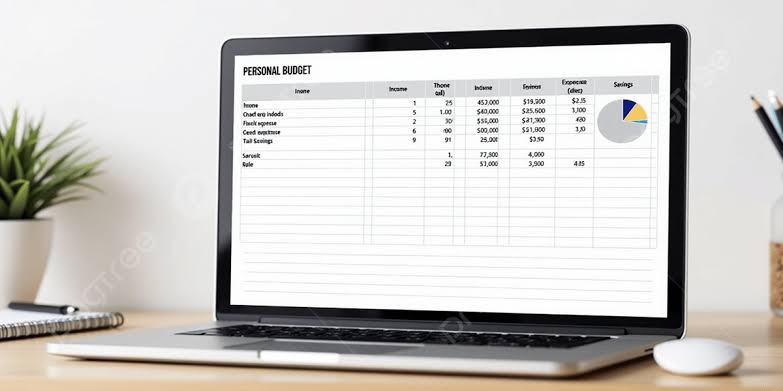
Example visual: a monthly household budget organized by major expense categories.

Step 3: Separate Fixed, Variable, and Irregular Expenses
A strong monthly budget planner becomes easier to use when expenses are classified.
Fixed expenses are costs that are relatively stable, such as rent, a mortgage, insurance premiums, or a regular loan payment.
Variable expenses change from month to month. Groceries, fuel, dining out, entertainment, and electricity may fall into this group.
Irregular expenses do not happen every month but still matter. Examples include annual insurance premiums, school fees, vehicle maintenance, medical costs, holidays, festivals, gifts, or home repairs.
Ignoring irregular costs is one of the most common budgeting mistakes. Instead, estimate the annual cost and divide it by 12. If you expect to spend $1,200 during a year on car maintenance and annual fees, setting aside $100 per month creates a sinking fund.
This is an important part of how to create a monthly budget because it prevents large predictable expenses from becoming financial emergencies.
Step 4: Choose Your Budgeting Method
There is no single perfect budgeting method, and how to create a monthly budget can vary by household. Choose a system that is easy enough to maintain.
The 50/30/20 Framework
A popular starting point is to divide after-tax income into broad groups:
- 50% for needs
- 30% for wants
- 20% for savings and debt repayment
Treat this as a guideline, not a law. Housing costs, family responsibilities, debt, location, and income can make these percentages unrealistic.
Zero-Based Budgeting
With zero-based budgeting, you assign every unit of income to a purpose: bills, groceries, savings, debt, investments, or discretionary spending. The objective is for income minus planned allocations to equal zero.
Pay-Yourself-First Budgeting
Here, you prioritize savings or investing as soon as income arrives, then plan spending around the remaining amount. This can work well if saving consistently is your biggest challenge.
How to Make Your Budget Last Long Term
The most effective budgeting system is one you can maintain for years.
Set a recurring monthly “money date.” During this session:
- Review last month’s actual spending.
- Compare it with the plan.
- Identify one or two problem areas.
- Add upcoming irregular expenses.
- Confirm savings transfers.
- Set next month’s category limits.
- Celebrate progress.
For budgeting for beginners, consistency matters more than perfection when you learn how to create a monthly budget. You are building a repeatable decision-making habit.
The Envelope System
This is a highly effective, tactile way of managing a household budget. When learning how to create a monthly budget using this method, you withdraw cash for your variable expenses (like groceries and entertainment) and place it in labeled envelopes. When the envelope is empty, you stop spending in that category for the month.
Making Budgeting a Family Affair
If you share finances with a partner, knowing how to create a monthly budget in a vacuum will not work. You must sit down together. A household budget only succeeds when everyone is on the same page.
Schedule a relaxed “budget date night.” Order a pizza, pour a glass of wine, and discuss your financial goals. Discussing how to create a monthly budget as a team prevents financial infidelity and resentment. Agree on a set amount of “no questions asked” blow money for each person to maintain a sense of financial independence within the simple budget plan.
Final Thoughts
A budget is not a restriction on your life. It is a tool for deciding what your money should accomplish.
If you have been searching for how to create a monthly budget, start small. Calculate your income, review your recent spending, separate fixed and flexible expenses, include irregular costs, set priorities, and create realistic category limits.
Then track what actually happens.
If you are still wondering how to create a monthly budget, the most important step is simply to begin. A simple plan that you review every month can be far more powerful than a perfect plan that stays in a spreadsheet and never gets used.
Frequently Asked Questions
What should I do if my income changes every month?
Use a conservative baseline. Build the core budget around the income you can reasonably expect, then direct extra income toward savings, debt, or other priorities.
How often should I update my budget?
Check spending during the month and complete a more detailed review at month-end. A weekly review is a useful starting point.
Can couples create one household budget?
Yes. A shared household budget can make joint bills, savings goals, and responsibilities clearer. You can still maintain individual discretionary categories if that works better for your relationship.