In today’s hyper-competitive digital landscape, relying solely on organic search growth or word-of-mouth marketing is no longer enough to maintain exponential business growth. Targets users seeking premium options. Every minute, millions of potential customers interact with search engines and social media feeds, actively looking for products, solutions, and services like yours. To capture this vast pool of high-intent buyers, modern brands leverage a powerful marketing trifecta: SEM Google Ads Meta Ads.
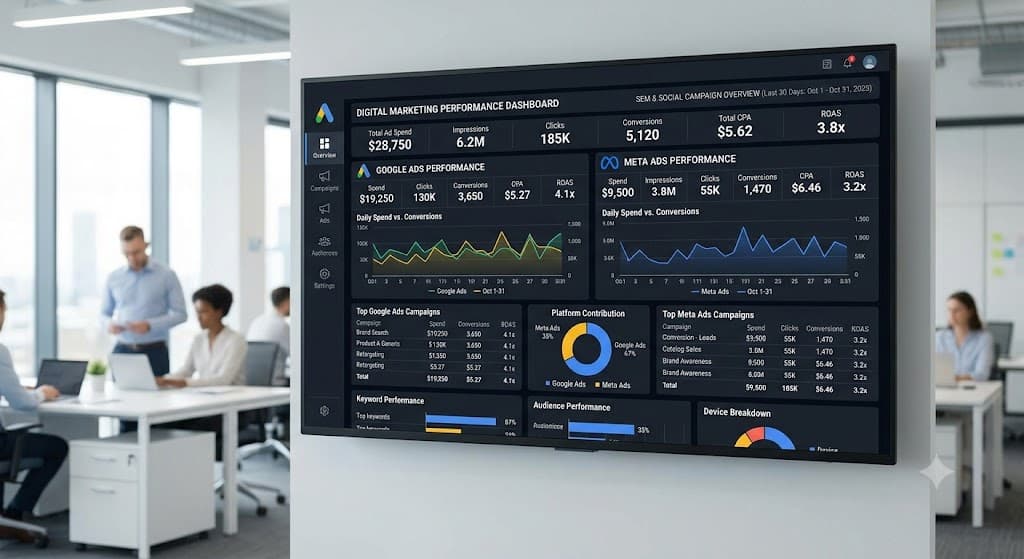
When properly integrated, SEM Google Ads Meta Ads form an unbeatable growth engine. Search engine marketing (SEM) captures consumers at the exact moment they demonstrate purchase intent on Google, while social media advertising across Facebook and Instagram (Meta) creates brand awareness, generates demand, and retargets potential buyers across their entire digital journey.
In this comprehensive guide, we will break down how to optimize SEM Google Ads Meta Ads to maximize your click-through rates (CTR), lower cost per acquisition (CPA), enhance return on ad spend (ROAS), and scale your revenue faster than ever before.
By combining SEM Google Ads Meta Ads into one system, you can attract people who are really interested in what you offer. At the same time, you build your brand’s reputation over time. This approach makes your marketing dollars go further at every point of contact. Learning these SEM Google Ads Meta Ads Strategies to Grow Your Brand is key to getting a good return on your investment in today’s market.
Key Takeaways
- Treat your digital platforms as a single, unified ecosystem for better results.
- Capture high-intent users while building lasting value for your company.
- Use cross-platform synergy to maximize your total marketing budget efficiency.
- Scale your presence by aligning different promotional channels effectively.
- Focus on long-term equity to ensure your business remains relevant and visible.
The Synergy of Intent and Discovery in Modern Marketing
Aligning your brand with user searches and new product discoveries can lead to growth. By using sem, you meet immediate needs and build long-term awareness. This way, you’re ready when customers are ready to buy or just browsing.
Why Combining Google Ads and Meta Ads Drives Exponential Growth
Google Ads grabs high-intent traffic, while Meta Ads shines in visual discovery. Together, they create a powerful feedback loop that boosts your ads. This mix targets users actively searching and builds a pipeline for those yet to find their needs.
Using just one channel can miss opportunities in today’s digital world. sem secures your spot in search results for convinced users. At the same time, Meta Ads introduces your brand to new audiences, setting them up for future buys.
Mapping the Customer Journey Across Search and Social
Your customer’s path isn’t always direct. That’s why tracking touchpoints is key. It starts with social discovery, where your content grabs attention. Then, users search to validate their choices or compare.
With sem, you keep your brand visible at every decision-making stage. This strategic approach guides buyers from awareness to purchase. Knowing how these channels work helps you spend your budget wisely and get more from it.
Case Study: Scaling a D2C Apparel Brand Through Unified SEM
To grow a direct-to-consumer apparel brand, you need to understand how your marketing channels work together. By combining your sem efforts, you make it easier for customers to go from finding your brand to buying from you. This case study looks at a mid-sized apparel retailer that boosted its sales by linking its search and social strategies.
Identifying the Baseline Performance Metrics
To get better, you first need to know your current numbers. Track your Return on Ad Spend (ROAS) and Customer Acquisition Cost (CAC) on all platforms. Without these, your sem plan won’t grow much.
It’s important to watch the whole customer journey, not just clicks. Knowing which steps add the most value helps you spend your budget wisely. This way, every dollar helps your business grow.
The Challenge of Siloed Advertising Data
Many brands struggle with separate advertising data. When your search and social media data don’t talk to each other, you can’t see how well your sem works. This makes it hard to use your budget well and miss chances to improve across channels.
By joining these data sources, you get a clearer picture of how you’re doing. You can then make sure your messages match on all platforms. The table below shows how the brand’s numbers changed after it brought its data together.
| Metric | Before Unification | After Unification | Improvement |
|---|---|---|---|
| Average ROAS | 2.4x | 3.8x | 58% |
| Customer Acquisition Cost | $45 | $32 | 29% |
| Conversion Rate | 1.8% | 2.6% | 44% |
| sem Efficiency | Low | High | Significant |
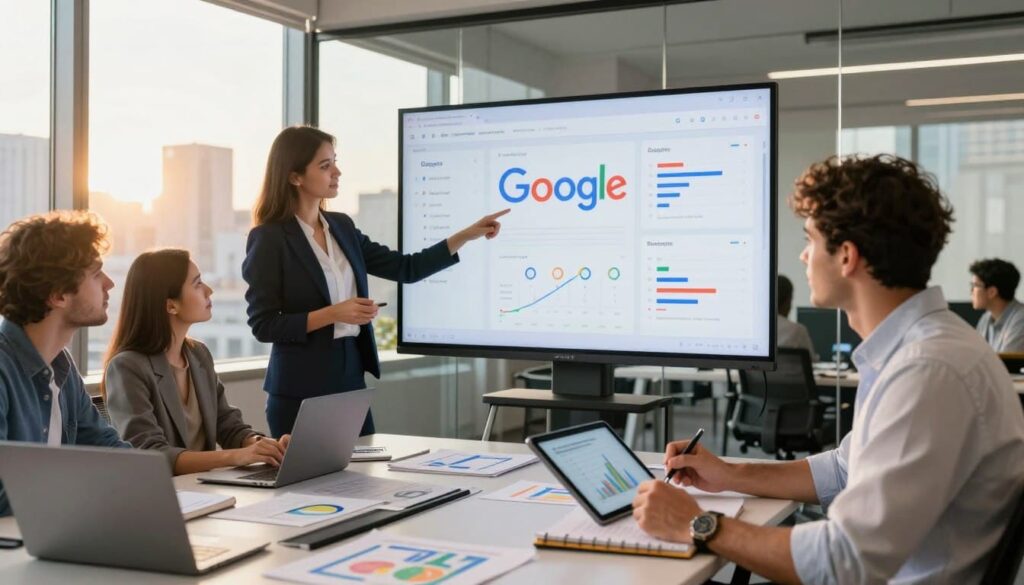
To maximize performance in your SEM Google Ads campaigns:
- Focus on Transactional Search Intent: Target high-intent commercial keywords featuring modifiers like “buy,” “pricing,” “best,” “services,” or “near me.” These users are near the bottom of the sales funnel and ready to convert.
- Master Keyword Match Types: Combine Exact Match for high-volume core commercial terms, Phrase Match for controlled expansion, and Broad Match paired with automated Smart Bidding strategies (Target CPA or Target ROAS) to capture emerging search queries.
- Aggressive Negative Keyword Management: Continually audit your search term reports to exclude irrelevant traffic (e.g., “free,” “jobs,” “diy,” “careers”). Filtering out junk clicks ensures your Google Ads budget is spent exclusively on revenue-generating prospects.
- Optimize Quality Score: Improve your Google Quality Score by aligning keyword relevance, ad copy headlines, and destination landing page content. Higher Quality Scores directly reduce your Cost Per Click (CPC) and improve ad positioning.
Optimizing Search Campaigns for Bottom-of-Funnel Conversions
To drive meaningful results, you must prioritize keywords that signal a clear intent to buy. Focus on long-tail, transactional phrases that indicate a user is near the end of their research phase. This approach prevents wasted spend on broad, informational queries that rarely lead to immediate sales.
Ensure your landing pages align perfectly with the specific intent of your ad copy. When a user clicks your link, they should find a seamless path to checkout. Consistency between your ad and your landing page is the most effective way to boost your conversion rates.
Utilizing Performance Max to Automate Reach
Modern google ads campaigns often benefit from the power of machine learning. Performance Max allows you to automate your reach across the entire Google network, including YouTube, Display, and Search. By providing high-quality assets, you enable the algorithm to find your best customers wherever they spend their time online.
Automation does not mean you lose control over your brand identity. You can set specific conversion goals and audience signals to guide the system toward your ideal buyer profile. This balance of human strategy and machine efficiency is essential for scaling your reach without sacrificing quality.
Refining Keyword Bidding Strategies for Maximum ROI
Your bidding strategy determines how much you pay for each customer. Choosing the right model is critical for maintaining a healthy return on investment. Whether you use Target ROAS or Maximize Conversions, your choice should reflect your current business goals and historical data.
Review the following table to understand how different bidding approaches impact your campaign performance:
| Bidding Strategy | Primary Goal | Best For |
|---|---|---|
| Target ROAS | Revenue Efficiency | Established E-commerce |
| Maximize Conversions | Volume Growth | Newer Campaigns |
| Manual CPC | Granular Control | Niche Keyword Targeting |
Regularly auditing your google ads bidding settings helps you stay competitive in a crowded market. By adjusting your bids based on real-time performance, you protect your margins while capturing the most valuable traffic available.
Harnessing Meta Ads for Brand Awareness and Retargeting
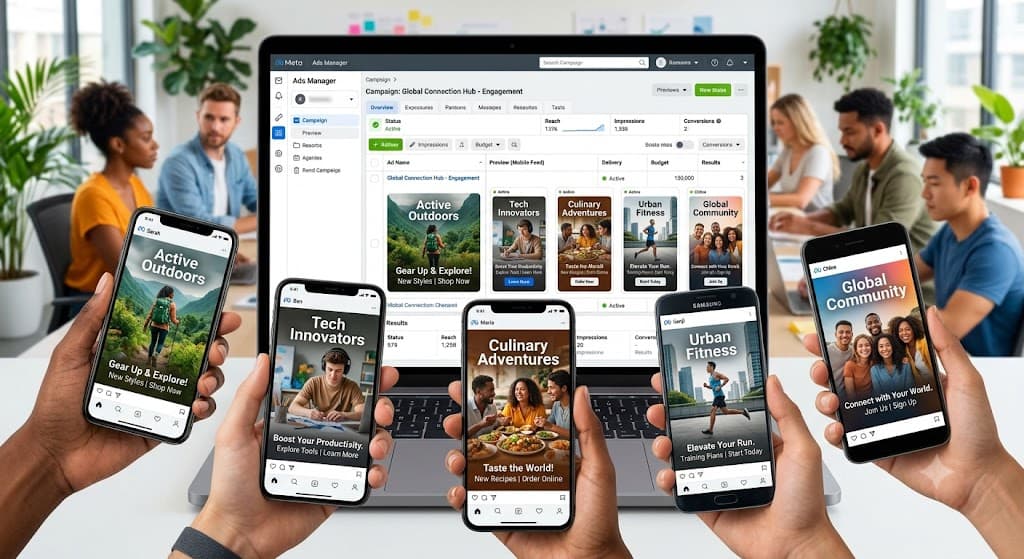
Mastering meta ads can change your marketing game. These platforms are great for making your brand known and bringing back users who’ve visited your site. By using both wide-reaching tactics and targeted ads, you guide people smoothly to buying.
Advanced SEM Google Ads Meta Ads Strategies to Grow Your Brand
To really stand out in your market, you need to go beyond simple campaign management. You must adopt advanced data strategies. Using SEM Google Ads Meta Ads Strategies to Grow Your Brand changes how you see your marketing world. It helps your customers smoothly move from finding your brand to buying it.
Cross-Channel Attribution Modeling for Better Budget Allocation
Using only one platform’s metrics can lead to wrong data and wasted money. You need a holistic view of your customer’s path to see what really works. Advanced attribution modeling helps you give the right credit to both search and social media. This way, your budget goes to the best-performing paths.
| Attribution Model | Best For | Primary Benefit |
|---|---|---|
| Last-Click | Direct Response | Simplicity |
| Data-Driven | Complex Journeys | Accuracy |
| Time-Decay | Long Sales Cycles | Weighted Value |
Synchronizing Messaging Across Search and Social Touchpoints
Being consistent is key to building trust with your brand. When a user clicks a Google ad after seeing a Meta ad, the message should feel like a natural next step. Using SEM Google Ads Meta Ads together keeps your message strong at every step of the journey.
“Integrated marketing is not just about being everywhere; it is about being consistent everywhere. Your brand story should resonate with the same intensity whether a customer finds you through a search query or a social feed.”
— Digital Marketing Expert
By matching your creative assets and offers, you strengthen your brand. This matching is a key part of SEM Google Ads Meta Ads Strategies to Grow Your Brand. It helps you stay ahead in a busy digital world.
Overcoming Common Pitfalls in Multi-Platform Campaigns
Expanding your brand across different platforms can be tricky. Running campaigns at the same time can lead to wasted resources if not done right. Proactive management is essential to make sure your marketing budget is used wisely.
Avoiding Audience Overlap and Ad Fatigue
Audience overlap happens when your Google and Meta campaigns target the same people. This can make you bid against yourself. It’s important to segment your audiences to keep search and social efforts separate. This way, you can reach new people more effectively.
Ad fatigue is another big problem. Seeing the same ads over and over can lower engagement. You should rotate your ad visuals and copy every two weeks. This keeps your messages fresh and engaging for your audience.
Managing Budget Fluctuations During Peak Seasonal Periods
During busy times like Black Friday, costs can skyrocket. You need a flexible bidding strategy to catch high-value traffic without spending too much. Keep a close eye on your daily spend to avoid running out of budget too soon.
To keep performance steady, adjust your automated rules with real-time data. If a channel doesn’t do well during a busy time, move your budget to where it’s working best. This agile approach helps save money while keeping your brand seen.
| Challenge | Primary Impact | Mitigation Strategy |
|---|---|---|
| Audience Overlap | Increased Costs | Use Exclusion Lists |
| Ad Fatigue | Lower CTR | Creative Rotation |
| Budget Spikes | Reduced ROI | Automated Bidding |
| Data Silos | Poor Attribution | Unified Reporting |
Conclusion
Using Google Ads and Meta Ads together is a great way to grow your brand. You can now catch people searching for what you offer and also reach new audiences on social media.
Success comes from using both channels well. Make sure your messages match everywhere you advertise. This way, you spend less to get customers and make more from your ads.
Digital marketing is always changing. Keep testing your ads and who you show them to. Making changes based on data helps you stay ahead.
Use these tips to make your ads better right now. First, check how your ads work together. Then, keep trying new things to stay ahead.
Start by checking your ad settings and who sees them. You know how to grow your brand. Watch your numbers and keep making your ads better for more profits.