Do you ever look at a dim corner of your apartment and wish for a touch of nature? You’re not alone in this wish. Many of us dream of a lush sanctuary, but we face the reality of limited sunshine. It can feel disheartening when your green friends struggle in shadows.
We get your frustration. That’s why we did a 30-day test of plants for darker spaces. These plants are champions of resilience. Our guide shows you low light indoor plants that survive with minimal fuss. They help you create a vibrant home, no matter your window situation.
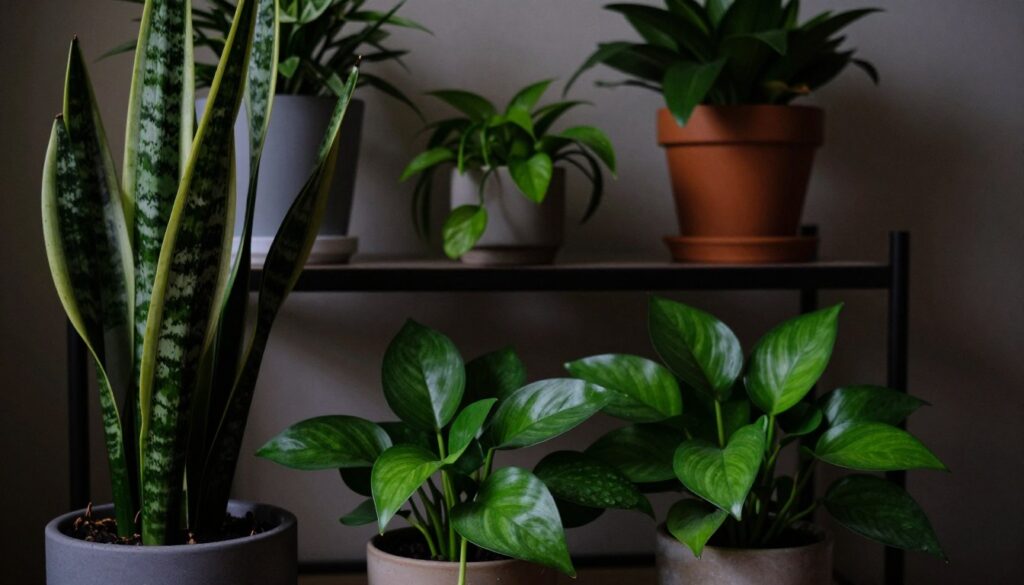
We made this list based on easy care routines. You’ll learn how to manage your expectations and keep your plants happy. Let’s turn your dim rooms into a peaceful, leafy retreat together.
Key Takeaways
- Discover seven resilient species perfect for dim environments.
- Learn realistic care routines for your botanical collection.
- Understand the difference between surviving and thriving in shadows.
- Follow our 30-day evaluation results for proven success.
- Create a greener home despite limited natural sunshine.
The Dark-Apartment Case Study: Starting Conditions and Goals
Turning a dim, window-poor living space into a green oasis needs a solid plan. Many people with dark apartments always search for plants that will not die. Yet, finding the right mix of beauty and survival is hard. This study looks at a typical urban studio apartment with little natural light.
The room, window placement, and observed light levels
The test space was a ground-floor apartment with a single north-facing window blocked by a building. The room got only faint, indirect illumination all day. This light was too weak for most sun-loving plants, causing them to die quickly.
Why the resident needed durable indoor plants
The resident wanted durable indoor plants that could handle low light without constant care. They looked for plants that wouldn’t need bright windows. The goal was to find reliable plants that could grow well in shadows.
“The secret to a thriving indoor garden is not the amount of light you have, but the wisdom to choose plants that match your specific environment.”
The 30-day survival test and success criteria
A 30-day test was set up to see if these plants could survive. Success wasn’t about fast growth but staying healthy in little light. The table below shows how each plant was checked during the trial.
| Metric | Success Indicator | Observation Frequency |
| Foliage Firmness | Leaves remain crisp and upright | Weekly |
| Color Stability | No yellowing or browning | Bi-weekly |
| Soil Response | Consistent moisture retention | As needed |
| New Growth | Slow but steady development | Monthly |
By watching these signs, the resident found out which durable indoor plants were best for the space. This careful method helps you choose the right plants for your home, based on proven results not guesses.
How to Tell Whether Your Room Is Low-Light or Truly Dark
Many people think their dim apartments can’t support plants. But, a proper indoor light assessment can show you’re wrong. Shaded corners can actually be great for plants, thanks to nature’s resilience.
Signs that a room receives usable indirect light
If you can read a book in your room during the day, it’s likely bright enough for plants. Look for soft shadows on the floor or walls. These signs mean light is bouncing around, not just hitting one spot.
How distance from a window changes plant survival
Light gets weaker as you move away from a window. Plants near the window get more light than those further back. Watch how light changes throughout the day, as it can be affected by curtains and wall colors.
Why no plant can thrive indefinitely in complete darkness
It’s a myth that some plants can live without any light. While some are very hardy, they still need some light to grow. Without it, they’ll use up their stored energy and stop growing, leading to decline.
Using a grow light when natural light is insufficient
A grow light for dark rooms is a great solution when natural light is lacking. These lights give plants the light they need to thrive. With a small, energy-efficient LED, even the darkest corners can become green havens.
| Light Level | Description | Plant Suitability |
| Bright Indirect | Near a window, no direct sun | High growth potential |
| Low Light | Several feet from a window | Maintenance and survival |
| Complete Darkness | Windowless rooms | Requires artificial light |
Low Light Indoor Plants That Survive: Seven Proven Choices
Turning a dim room into a lush oasis is easier than you think. Many people think plants need lots of sunlight to thrive. But, with the right plants, you can bring nature indoors, even in dark rooms.
Snake Plant: The Most Forgiving Choice for Neglected Corners
Why Sansevieria tolerates low light and irregular watering
The Snake Plant, or Sansevieria, is incredibly hardy. It can survive in low light indoor plants that survive conditions. Its thick leaves store water, making it perfect for those who forget to water.
Care limits, growth expectations, and pet-safety considerations
While tough, it’s toxic to cats and dogs. It grows slowly, so don’t expect it to change much. Use a well-draining soil mix to prevent root rot.
ZZ Plant: A Water-Storing Survivor for Dark Apartments
How Zamioculcas zamiifolia handles dry soil and weak light
The ZZ plant is great for those who forget to water. Its underground reservoirs help it survive long without water.
Where to place it and how to prevent root rot
Put your ZZ plant in a corner with little light. Always check the soil is dry before watering. It prefers to be left alone.
Cast Iron Plant: A Durable Option for Hallways and Interior Rooms
Why Aspidistra elatior remains dependable in low-light plant conditions
The Cast Iron Plant is very hard to kill. It handles cold and dark better than most plants, making it great for hallways.
How to manage its slow growth and broad leaves
This plant grows slowly. Keep its leaves clean by wiping them with a damp cloth. This helps it get more light.
Pothos: A Fast-Improving Vine for Shelves and High Spots
How Epipremnum aureum adapts to low light without losing vigor
Pothos is a versatile vine that adds elegance to shelves. It does well in dim spots, though its colors may fade a bit.
Pruning, propagation, and preventing leggy growth
Trim the stems if your plant gets too long. You can also propagate the cuttings in water to grow new plants.
Heartleaf Philodendron: An Easy-Care Indoor Plant for Beginners
What makes Philodendron hederaceum a reliable low-light plant variety
The Heartleaf Philodendron is perfect for beginners. Its vines are easy to care for, making it great for indoor gardening.
Watering, trailing support, and toxicity precautions
Keep the soil moist but not wet. It’s toxic to pets, so keep it out of reach.
Chinese Evergreen: Colorful Foliage That Handles Dim Rooms
Choosing Aglaonema cultivars for darker spaces
The Chinese Evergreen has stunning leaves that look great in dark rooms. Many varieties keep their color well in low light.
Humidity, watering, and signs of stress to watch for
These plants like a bit of humidity and consistent moisture. If the leaves droop or turn yellow, it’s a sign of too much water or cold.
Parlor Palm: A Softer Green Option for Low-Light Living Areas
How Chamaedorea elegans performs away from bright windows
The Parlor Palm adds a tropical touch without needing lots of sunlight. It’s slow-growing and stays small, perfect for small spaces.
Preventing brown tips, overwatering, and pest problems
To keep your palm healthy, avoid standing water, which causes brown tips. Check for dust or pests regularly to keep it looking good.
| Plant Name | Light Preference | Watering Needs | Pet Safety |
| Snake Plant | Low to Bright | Very Low | Toxic |
| ZZ Plant | Low to Medium | Low | Toxic |
| Cast Iron Plant | Low | Moderate | Safe |
| Pothos | Low to Bright | Moderate | Toxic |
| Parlor Palm | Low to Medium | Moderate | Safe |
Match Each Plant to the Room Where It Has the Best Chance
Turning your home into a green oasis begins with the right plants in the right spots. Each room has its own special conditions that can help or hurt your plants. By knowing these, you can pick low maintenance indoor plants that love your home.
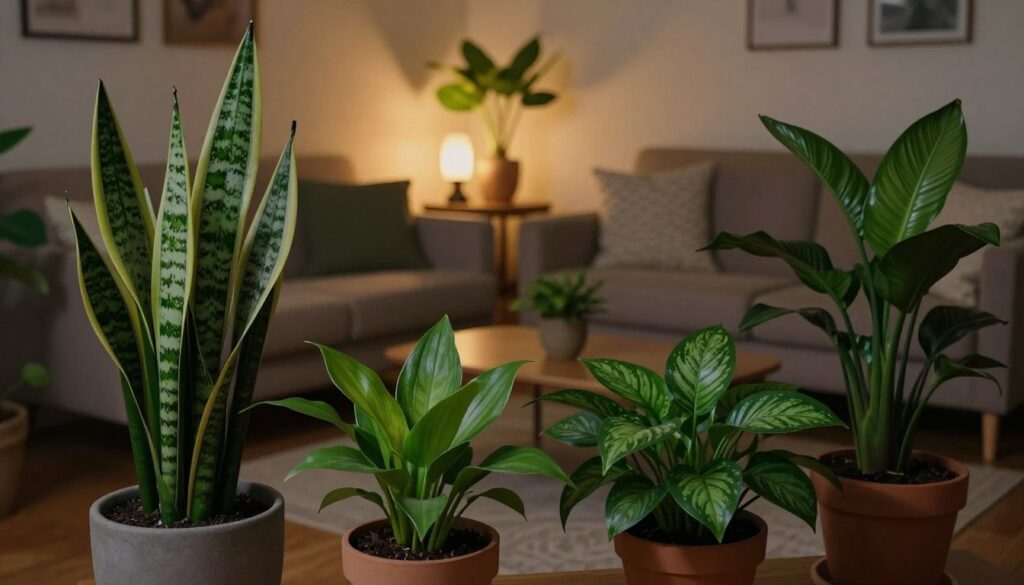
Best low-light plant options for bedrooms and home offices
Bedrooms and home offices are quiet places where you spend a lot of time. They usually have steady temperatures, perfect for calming greenery. Look for plants that clean the air and don’t need much care.
- Snake Plants: Great for desks because they grow up.
- ZZ Plants: Good for nightstands since they handle low light.
- Heartleaf Philodendron: A lovely option for bookshelves.
Plants that work well in bathrooms, hallways, and entryways
Bathrooms are humid, which many tropical plants love. Hallways and entryways are narrow and dim, needing plants that fit small spaces and handle air changes.
“The secret to a thriving indoor garden is not just the plant, but the environment you provide for it to grow.”
In these areas, think about the Cast Iron Plant or the Chinese Evergreen. These low light plant options are tough and can handle drafts and steam.
Choosing plants for rooms with children or pets
With kids or pets around, safety is key. Many houseplants can be harmful if eaten. Always choose non-toxic plants for peace of mind.
Checking toxicity information before bringing a plant home
Before buying, check the plant’s safety. Online databases list plants safe for pets and kids. Choosing low maintenance indoor plants that are safe lets you enjoy nature worry-free.
The Simple Care System That Kept the Case-Study Plants Alive
Learning to care for plants in low light is more about watching them than following a schedule. By moving away from strict calendars, you learn what your plants really need. This change is key to keeping easy care indoor plants happy in dim places.
Water only after checking the soil instead of following a calendar
Many people water their plants on the same day every week, without checking if they need it. Instead, touch the soil before watering. If the top two inches are dry, it’s time for a drink.
Use containers with drainage holes and fast-draining potting mix
Good drainage for indoor plants is crucial, especially in dark rooms where water takes longer to evaporate. Always pick pots with holes to avoid water pooling. Use a potting mix that drains quickly to keep roots healthy and oxygen-rich.
Rotate plants gradually to prevent uneven growth
In dark rooms, plants stretch towards the only light they get. To keep them balanced, turn your pots a quarter turn every time you water. This simple indoor plant care routine helps them grow evenly and prevents them from becoming lopsided.
Clean leaves so low-light plants can use available light efficiently
Dust blocks light from reaching the leaves. Wipe your plants gently with a damp cloth to help them photosynthesize better. This small step greatly improves their health over time.
| Care Habit | Why It Matters | Frequency |
| Soil Check | Prevents root rot | Weekly |
| Drainage | Essential for drainage for indoor plants | At planting |
| Rotation | Ensures even growth | Every watering |
| Leaf Cleaning | Maximizes light intake | Monthly |
Watering and Seasonal Adjustments for Dark Rooms
Knowing when to water is key to a healthy indoor garden in dark spots. Light levels affect how much water plants need. It’s not about a set schedule, but watching your plants’ needs.
Why plants in low light need less water than plants near sunny windows
Plants need light to make food through photosynthesis. In dark places, this process is slower, so plants use less water. Watering a dark corner plant too much can make the soil too wet.
Too much water in the soil stops roots from getting oxygen. Always check the soil moisture before watering. This keeps your plants healthy and bright, even in the darkest spots.
How winter heating and summer air-conditioning change moisture needs
Good seasonal indoor plant care means watching your home’s climate. Winter heating dries the air, making the soil feel dry. Summer air-conditioning keeps the soil wetter.
Adjust your watering based on these changes. Watch your plants closely at the start of each season. Being flexible helps your plants avoid stress from sudden changes.
Recognizing overwatering, underwatering, and root-rot symptoms
It’s crucial to know the signs your plants give for root rot prevention. Too much water turns stems mushy and leaves yellow. Not enough water makes leaves crispy and droopy.
If you think there’s a problem, check the roots fast. Healthy roots are firm and light. Bad roots are dark, slimy, and smell bad.
| Condition | Visual Sign | Soil Texture | Action Required |
| Overwatering | Yellowing leaves | Soggy and heavy | Improve drainage |
| Underwatering | Crispy brown tips | Dry and pulling away | Water thoroughly |
| Root Rot | Wilting and mushy | Foul-smelling | Repot immediately |
What the Case Study Revealed After Thirty Days
Our 30-day plant survival test shows how plants handle low light. Some plants grow new leaves, while others keep their shape.
Which plants showed the strongest survival and new growth
The Snake Plant and ZZ Plant were the top performers. They stayed green and healthy, even with little light.
On the other hand, Pothos and Heartleaf Philodendron grew slower. But they still managed to stretch towards the light.
How leaf color, firmness, and soil moisture indicated plant health
Checking on low-light plant health signs is key. Look for firm, upright leaves to know if your plant is hydrated and thriving.
Too wet soil can mean the plant isn’t using water well. Healthy leaves should feel supple, not mushy or brittle. This shows your care is on track.
Why survival matters more than rapid growth in a dark room
In a dim apartment, keeping plants alive is more important than fast growth. Plants that grow quickly often need more light. Slow growth shows a plant has adapted well to the dark.
Separating normal low-light adaptation from genuine decline
It’s crucial to tell if a plant is just resting or failing. Normal adaptation means slower growth and slightly darker leaves.
But, if you see yellowing leaves, soft stems, or sudden leaf drop, your plant is struggling. It might need more light for a while.
| Indicator | Healthy Adaptation | Signs of Decline |
| Leaf Texture | Firm and resilient | Soft or mushy |
| Growth Rate | Slow and steady | Stretched or leggy |
| Color | Deep, consistent green | Yellowing or browning |
| Soil State | Dries out slowly | Stays soggy/smells |
Common Mistakes That Make Low-Light Plants Fail
Many indoor plant problems come from simple habits that can be fixed. Even the toughest plants need basic care to do well at home. Knowing these low-light plant mistakes helps you make a better space for your plants.
Placing a plant in a windowless room without supplemental light
Every plant needs some energy to live. Putting a plant in a room with no light will hurt it. Use supplemental light for plants, like a small LED grow bulb, in dark rooms.
Watering on a fixed schedule
Watering by the calendar is a big mistake. Soil in dark rooms stays wet longer than in sunny spots. Always check the soil moisture before watering to avoid root rot.
Moving a plant suddenly from bright light into darkness
Plants need time to adjust to new places. Moving a plant from bright to dark too fast can shock it. Move your plant slowly over weeks to help it adjust.
Ignoring pests, drainage problems, and compacted soil
Poor drainage can kill indoor plants quietly. Make sure your pots have holes for water to drain. Also, compacted soil hurts roots and makes plants more prone to pests. Refreshing your potting mix keeps your plants healthy and lively.
Build a Greener Home With the Right Low-Light Expectations
Creating a greener home means not every spot needs sunlight. By setting realistic plant-care expectations, you can make dark areas feel fresh. It’s not about forcing plants to grow, but picking the right ones for your space.
Start with one durable plant and observe its response
Start with one tough plant instead of many. This lets you see how it does in your home before adding more. Observation is your greatest tool for learning to care for durable houseplants.
Watch how the soil dries and if the leaves stay firm in the first few weeks. If the plant looks stressed, you can adjust its spot or water without worrying about many plants. This careful approach builds your confidence and ensures success.
Combine easy-care indoor plants with a small grow light when necessary
Many indoor plants for dark rooms are very hardy but still need some energy. If your place is very dark, a small LED grow light can help a lot. These lights give the plants the light they need to stay healthy and green.
Using light and regular care makes a good home for your plants. Even the toughest durable houseplants need occasional cleaning and watching. By mixing natural light with a bit of extra help, you make a system that keeps your home lively and inviting.
| Strategy | Benefit | Action Required |
| Single Plant Trial | Reduces stress | Monitor soil moisture |
| Supplemental Lighting | Boosts vitality | Use timer for consistency |
| Regular Cleaning | Improves light intake | Wipe leaves monthly |
Conclusion
Even without much natural light, you can still bring nature indoors. This guide shows that lush greenery is possible in any home. Choose plants like the snake plant, ZZ plant, or cast iron plant to connect with the outdoors.
Success in low light plant care depends on your dedication. Focus on drainage and soil moisture, not just watering schedules. Plants like pothos, philodendron, Chinese evergreen, and parlor palm add beauty to your space.
Begin by picking a plant that fits your home. Watch how it adapts to its new environment. Keep an eye on its health to keep it looking its best.
Creating a thriving indoor garden is within your reach. If light is a problem, a small grow light can help. With these simple steps, your home will stay green and welcoming all year.
FAQ
What are the best low light indoor plants for a dark apartment?
Our 30-day study found the Snake Plant, ZZ Plant, and Cast Iron Plant top the list. These plants keep their green color and firm leaves, even in dark corners.
Can low-light indoor plants that actually survive dark rooms live in a space with no windows?
No plant can live without any light because they need photosynthesis. But, you can use a full-spectrum LED grow light to help your plants thrive in a windowless room.
How do I know if my space is “low-light” or truly too dark for plants?
Check if you can read a book in the afternoon without a lamp. If you can, your space is good for plants like Pothos. If not, your room is too dark, and you need the toughest plants.
What is the most common mistake people make with low light indoor plants that survive?
People often water too much on a set schedule. Since plants in the dark grow slow, they use less water. Always check the soil before watering to avoid root rot.
Are there pet-friendly low light plant options for dark rooms?
Yes! The Parlor Palm and Cast Iron Plant are safe for pets. But, check the ASPCA database for the Snake Plant and ZZ Plant to ensure they’re safe for your pets.
Why is my plant surviving but not putting out any new leaves?
Plants in dark rooms focus on keeping their leaves, not growing new ones. If the leaves stay firm and green, your plant is doing well. It’s like a living sculpture waiting for spring.
How can I help my plants maximize the limited light they receive?
Dust blocks light, so clean your plants’ leaves with a damp cloth every month. This helps them use the little light they get.
Should I move my plants closer to the window during the winter months?
Yes, moving them a few feet closer to the window can help. But avoid drafty areas to protect your plants from sudden temperature changes.